

Uncategorized

HIGHER MEDICAL DEDUCTIONS FOR 2019 AND 2020

On December 20, 2019, President Trump signed into law the Appropriations Act of 2020, which included a number of tax law changes, including extending certain tax provisions that expired after 2017 or were about to expire, a number of retirement and IRA plan modifications, and other changes that will impact a large portion of U.S. taxpayers as a whole. This article is one of a series of articles dealing with those changes and how they may affect you.

Medical expenses are deductible as an itemized deduction but only to the extent they exceed a percentage of a taxpayer’s adjusted gross income (AGI). For a long time, the percentage was 7.5%, which was then raised for under-age-65 taxpayers to 10% for 2013 through 2016 and then lowered back to 7.5% for all taxpayers for years 2017 and 2018. It was scheduled to go back up to 10% starting with tax year 2019. However, with the passage of the Appropriations Act of 2020, Congress reduced that percentage back to 7.5% for tax years 2019 and 2020, allowing more taxpayers to qualify for the medical deduction.

However, keep in mind that the total of the itemized deductions must exceed the standard deduction before the itemized deductions will provide a tax break. So even if your medical deductions exceed the 7.5% floor, this doesn’t necessarily mean you will have a tax benefit from them.

To help you maximize your medical deductions, the following are some medical expenses other than those for doctors, dentists, hospitals, and prescriptions that are sometimes overlooked:

  • Adult Diapers
  • Acupuncture
  • Birth Control
  • Chiropractor Visits
  • Drug-Addiction Treatment
  • Fertility Enhancement Therapy
  • Gender Identity Disorder Treatments
  • Guide Dog Expenses
  • Health Insurance Premiums* – Including the premiums you pay for coverage for yourself, your dependents, and your spouse, if applicable, for the following types of plans:

    o Health Care and Hospitalization Insurance
    o Long-Term Care Insurance (but limited based upon age)
    o Medicare B
    o Medicare C (aka Medicare Advantage Plans)
    o Medicare D
    o Dental Insurance
    o Vision Insurance
    o Premiums Paid through a Government Marketplace, Net of the Premium Tax Credit

    *However, premiums paid on your or your family’s behalf by your employer aren’t deductible because their cost is not included in your wage income. If you pay premiums for coverage under your employer’s insurance plan through a “cafeteria” plan, those premiums aren’t deductible either because they are paid with pre-tax dollars.

  • Home Modifications for Disabled Individuals
  • Lactation Expenses
  • Learning Disability Special Education
  • Nursing Home Costs
  • Nursing Services (which need not be performed by a nurse)
  • Pregnancy Tests
  • Smoking-Cessation Programs

This is not an all-inclusive list, so please call with questions related to expenses that you think might qualify as a medical expense.

As a tax tip, if you are self-employed, you may be able to deduct 100% (no 7.5%-of-AGI reduction) of the cost of medical insurance without itemizing your deductions. This above-the-line deduction is limited to your net profits from self-employment. If you are a partner who performs services in that capacity and the partnership pays health insurance premiums on your behalf, those premiums are treated as guaranteed payments that are deductible by the partnership and includible in your gross income. In turn, you may deduct the cost of the premiums as an above-the-line deduction under the rules discussed in this article.

No above-the-line deduction is permitted when the self-employed individual is eligible to participate in a “subsidized” health plan maintained by an employer of the taxpayer, the taxpayer’s spouse, any dependent, or any child of the taxpayer who hasn’t attained age 27 as of the end of the tax year. This rule is separately applied to plans that provide coverage for long-term care services. Thus, an individual who is eligible for employer-subsidized health insurance may still deduct long-term care insurance premiums, as long as he or she isn’t eligible for employer-subsidized long-term care insurance. In addition, for the insurance to be treated as subsidized, 50% or more of the premium must be paid by the employer.

This above-the-line deduction is also available to more-than-2% S corporation shareholders. For purposes of the income limitation, the shareholder’s wages from the S corporation are treated as his or her earned income.

The above-the-line deduction includes the premiums you pay for health coverage for yourself, your dependents, and your spouse, if applicable, for the types of plans listed under “Health Insurance Premiums” above.


Uncategorized

Lifting Your Financial Stress!

‘Mkono wa serikali ni mrefu’ is a Swahili saying that means the governments’ hand is long.

1️⃣ If you have unfiled tax returns, let’s strike up a conversation.

DON’T PROCRASTINATE! There is a three year statute of limitations on refunds and after it runs out, any refund due is forfeited.

2️⃣ If you have W2s it doesn’t always mean you will owe taxes, you have up to three years to claim your refund. This statute is three years from the due date of the tax return.

3️⃣ If you have back taxes owed, I can facilitate an IRS resolution via installment or relief plans.

4️⃣ If your books are not in order, I provide both accounting and bookkeeping services as well as audit compliance support.

Filing is required when a taxpayer owes a penalty, even though the taxpayer’s income is below the filing threshold. Such as early withdrawal penalty or the 50% penalty for not taking a required IRA distribution.

5️⃣ If you do not have income to report or don’t want to file a return, I highly recommend you file one to get a refund of any federal income tax withheld. You may also be eligible for a refund from any of the following credits.

  • Withholding refund – A substantial number of taxpayers fail to file their return even when the tax they owe is less than their prepayments, such as payroll withholding, estimates, or a prior overpayment. The only way to recover the excess is to file a return.
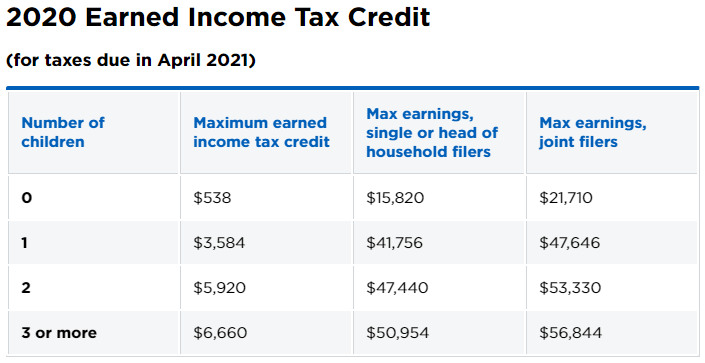
  • Earned Income Tax Credit (EITC) – If you worked and did not make a lot of money, you may qualify for the EITC. The EITC is a refundable tax credit, which means you could qualify for a tax refund. The refund could be as high as several thousand dollars even when you are not required to file.
  • Child Tax Credit – This is a $2,000 credit for each qualifying child, a portion of which may be refundable for lower income taxpayers, and phases out for higher income taxpayers.
  • American Opportunity Credit – The maximum for this credit for college tuition paid per student is $2,500, and the first four years of postsecondary education qualify. Up to 40% of the credit is refundable when you have no tax liability, even if you are not required to file.
  • Premium Tax Credit – Lower-income families are entitled to a refundable tax credit to supplement the cost of health insurance purchased through a government Marketplace. To the extent the credit is greater than the supplement provided by the Marketplace, it is refundable even if there is no other reason to file.
  • Credit for federal tax on fuels.
  • Health coverage tax credit.

The government and financial institutions are waiting for you to need something from them, so that they can teach and show you how long their hands really are – the long arm of the law.

DON’T PROCRASTINATE! Don’t be a victim, I can lift your financial stress!
 
If you’d like to receive more information about our services, please call us 470-312-7693 or contact us at caroline@carokimcpaconsulting.com
 

82578601_2204561086519225_429735156119502848_o

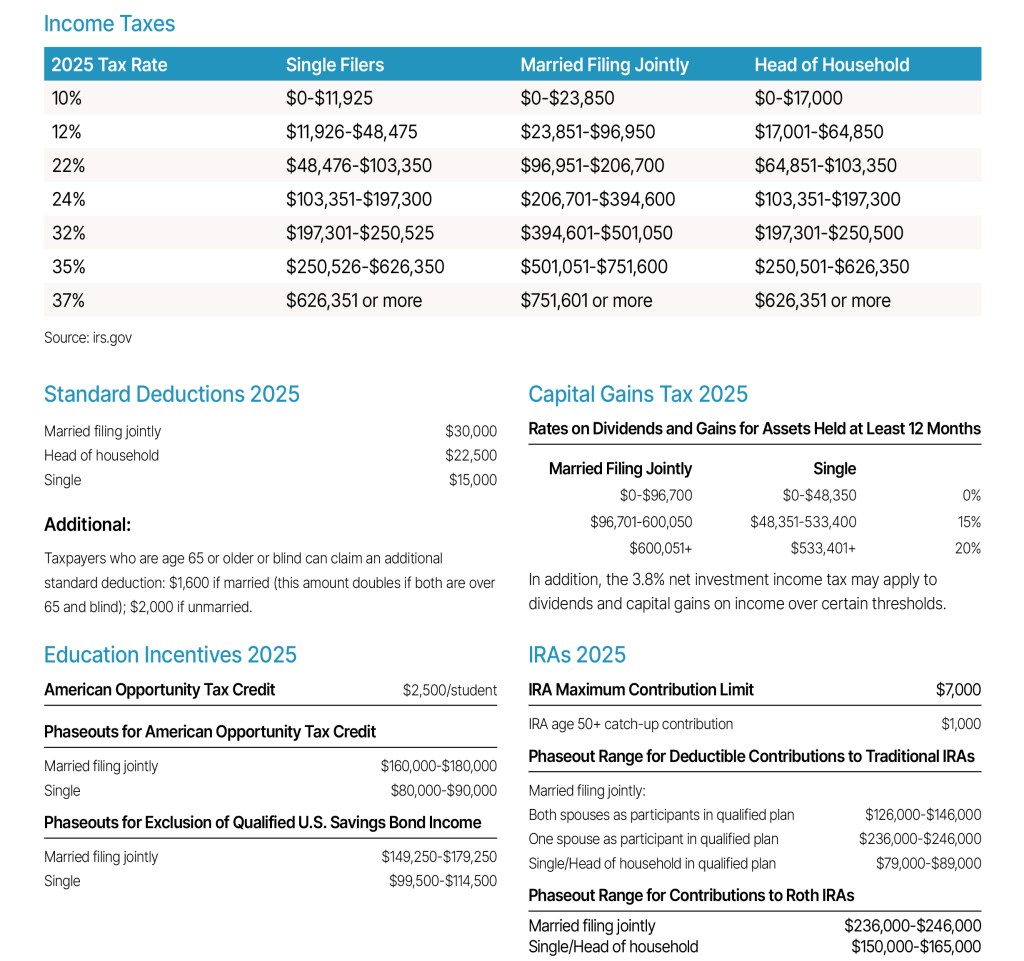
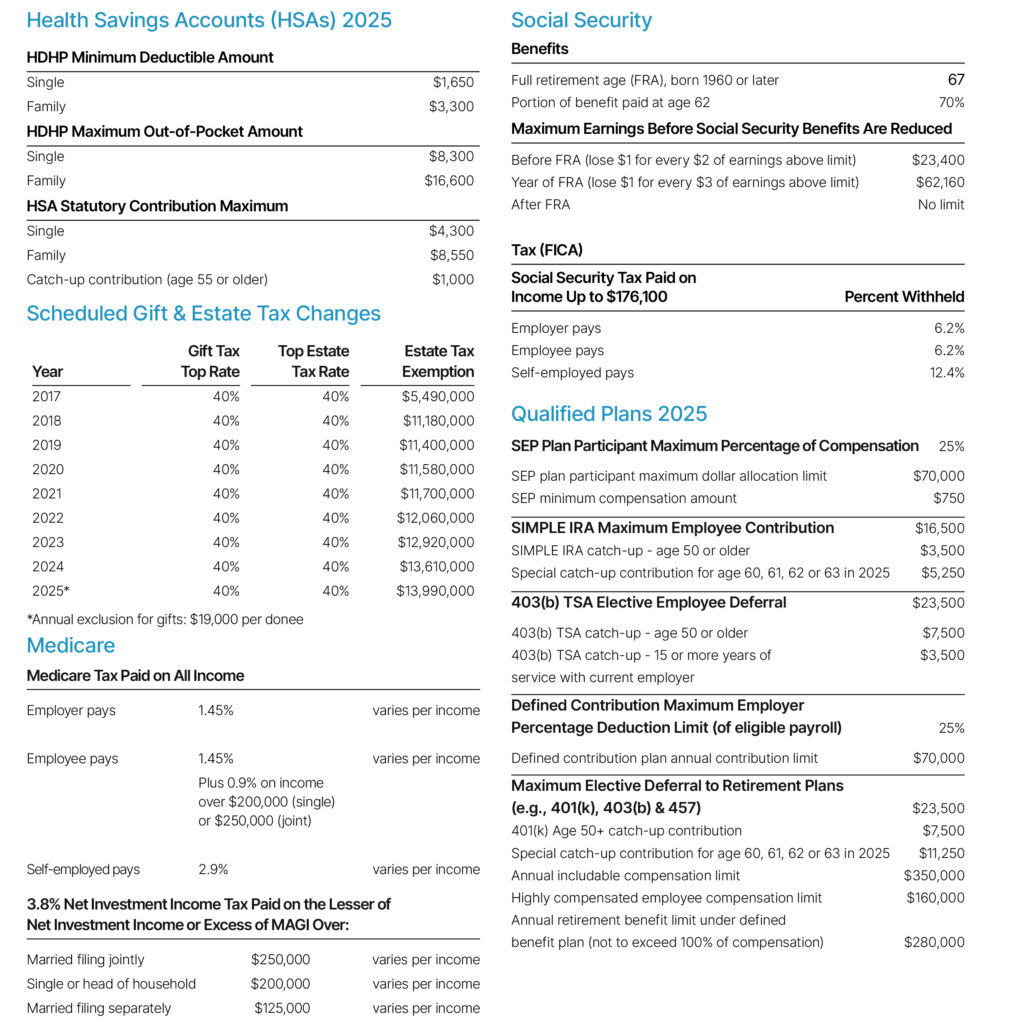
2025 Tax Facts

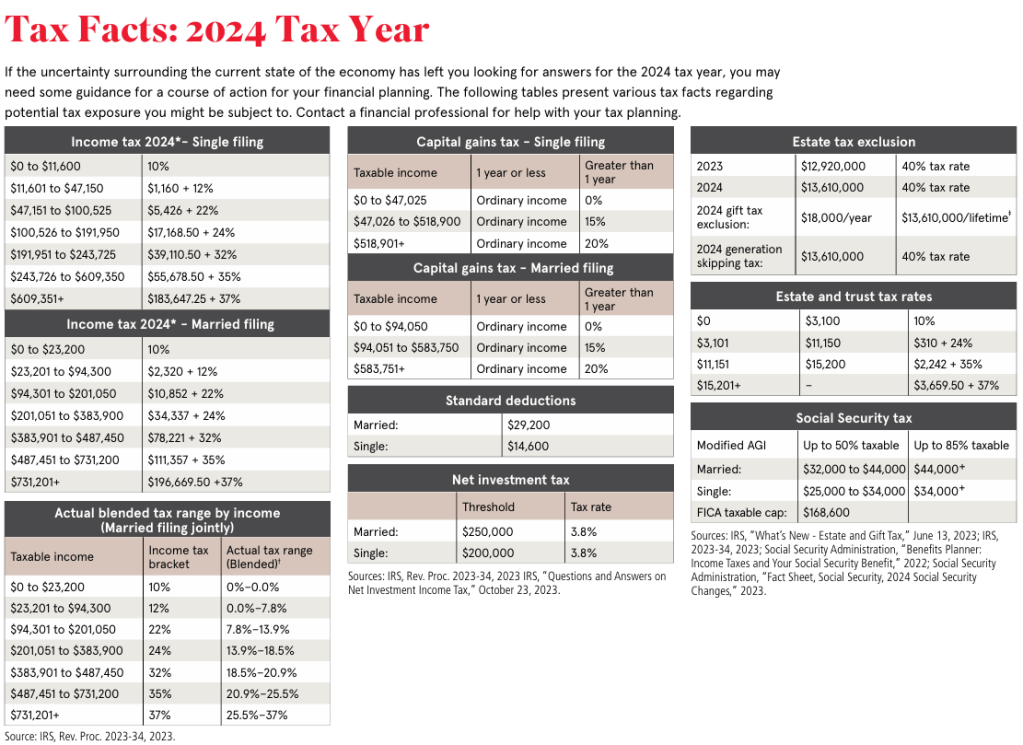
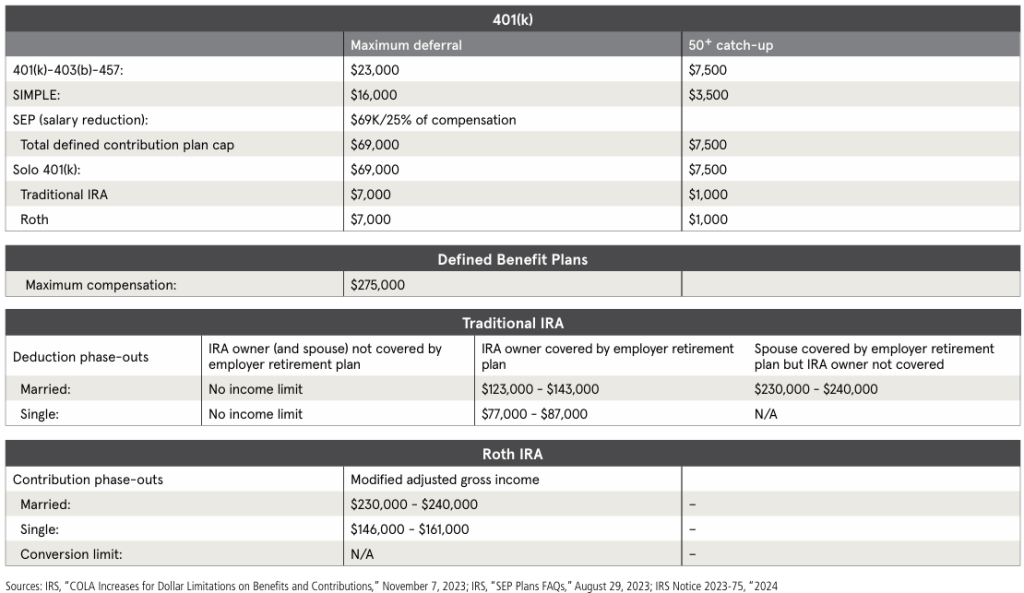
2024 Tax Facts

Uncategorized

Maximize Profits & Minimize Taxes

‘Mkono wa serikali ni mrefu’ is a Swahili saying that means the governments’ hand is long.

1️⃣ If you have unfiled tax returns, let’s strike up a conversation.

2️⃣ If you have W2s it doesn’t always mean you will owe taxes, you have up to 3 years to claim your refund.

3️⃣ If you have back taxes owed, I can facilitate an IRS resolution via installment or relief plans.

4️⃣ If your books are not in order, I provide both accounting and bookkeeping services as well as audit compliance support.

5️⃣ If you do not have income to report or don’t want to file a return, I highly recommend you file one to get a refund of any federal income tax withheld. You may also be eligible for a refund from any of the following credits.

• Earned income credit.
• Additional child tax credit.
• American opportunity credit.
• Credit for federal tax on fuels.
• Premium tax credit.
• Health coverage tax credit.

The government and financial institutions are waiting for you to need something from them, so that they can teach and show you how long their hands really are – the long arm of the law.

Don’t be a victim, I can lift your financial stress!

If you’d like to receive more information about our services, please call us 470 – 312-7693 or contact us at mscarolinekimani@gmail.com

Uncategorized

Why you have to file a tax return?

Article Highlights:

  • When You Are Required to File
  • Self-Employed Taxpayers
  • Filing Thresholds
  • Benefits of Filing Even When Not Required to File
  • Refundable Tax Credits

This is a question many taxpayers ask during this time of year, and the question is far more complicated than people believe. To fully understand, we need to consider that there are times when individuals are REQUIRED to file a tax return, and then there are times when it is to the individuals’ BENEFIT to file a return even if they are not required to file.

When individuals are required to file:

  • Generally, individuals are required to file a return if their income exceeds their filing threshold, as shown in the table below. The filing thresholds generally are the same amount as the standard deduction for individual(s).
  • Taxpayers are required to file if they have net self-employment income in excess of $400, since they are required to file self-employment taxes (the equivalent to payroll taxes for an employee) when their net self-employment income exceeds $400.
  • Taxpayers are also required to file when they are required to repay a credit or benefit. For example, taxpayers who underestimated their income when signing up for health insurance through a government Marketplace and received a higher advance premium tax credit (APTC) than they were entitled to, are required to repay part of it. Therefore, all individuals who received an APTC must file a return to reconcile the advance payments with the actual credit amount, even if their income is less than the filing threshold amount and even if they don’t need to repay any of the advance credit.
  • Filing is also required when a taxpayer owes a penalty, even though the taxpayer’s income is below the filing threshold. This can occur, for example, when a taxpayer has an IRA 6% early withdrawal penalty or the 50% penalty for not taking a required IRA distribution.
Filing StatusAgeThreshold
SingleUnder Age 65
Age 65 or Older
$12,200
$13,850
Married Filing JointlyBoth Spouses Under 65
One Spouse 65 or Older
Both Spouses 65 or Older
$24,400
$25,700
$27,000
Married Filing SeparateAny Age$5
Head of HouseholdUnder 65
65 or Older
$18,350
$20,000
Qualifying Widow(er)
with Dependent Child
Under 65
65 or Older
$24,400
$25,700

When it is beneficial for individuals to file:
There are a number of benefits available when filing a tax return that can produce refunds even for a taxpayer who is not required to file:

  • Withholding refund – A substantial number of taxpayers fail to file their return even when the tax they owe is less than their prepayments, such as payroll withholding, estimates, or a prior overpayment. The only way to recover the excess is to file a return.
  • Earned Income Tax Credit (EITC) – If you worked and did not make a lot of money, you may qualify for the EITC. The EITC is a refundable tax credit, which means you could qualify for a tax refund. The refund could be as high as several thousand dollars even when you are not required to file.
  • Child Tax Credit – This is a $2,000 credit for each qualifying child, a portion of which may be refundable for lower income taxpayers, and phases out for higher income taxpayers.
  • American Opportunity Credit – The maximum for this credit for college tuition paid per student is $2,500, and the first four years of postsecondary education qualify. Up to 40% of the credit is refundable when you have no tax liability, even if you are not required to file.
  • Premium Tax Credit – Lower-income families are entitled to a refundable tax credit to supplement the cost of health insurance purchased through a government Marketplace. To the extent the credit is greater than the supplement provided by the Marketplace, it is refundable even if there is no other reason to file.

DON’T PROCRASTINATE! There is a three-year statute of limitations on refunds, and after it runs out, any refund due is forfeited. The statute is three years from the due date of the tax return.

For more information about filing requirements and your eligibility to receive tax credits, please contact this office.